Open: Fri 4:30 PM - 6:30 PM


Waterfront homes for sale in Green Bay & Northeast WI aren’t just about a view — they’re about how you live when the water is part of the backdrop. Along the Fox River you’ll see everything from walkable, “grab-a-coffee and wander” stretches near downtown’s CityDeck to quieter riverfront pockets that feel tucked back from the busy stuff, especially as you get toward De Pere’s Riverwalk and Voyageur Park. Up on the bay side, areas near Suamico and the Duck Creek estuary lean more “wide sky, calmer pace,” where mornings can look like coffee on the deck and an easy line of sight to the water without needing to leave home. Somewhere in the middle of all that is the real reason people shop this way: that steady, private exhale you get when the water’s right there. The practical side matters too — shoreline rules, winter ice and wind, and what “usable waterfront” actually means for your lot — but the payoff is a home that feels like a retreat even on a regular Tuesday. Scroll below to see current waterfront listings.



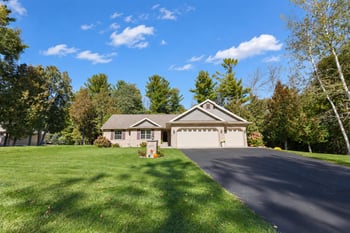
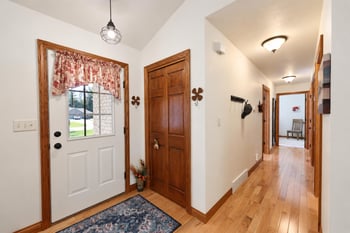
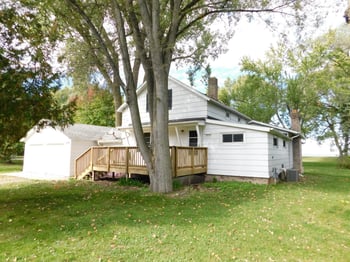
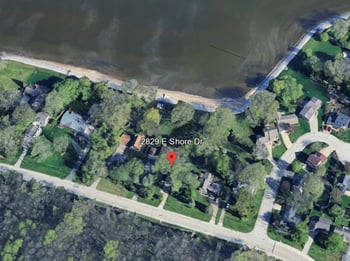


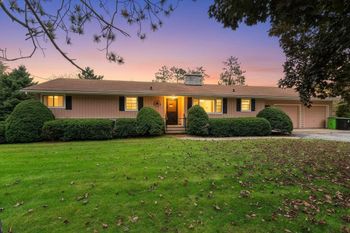


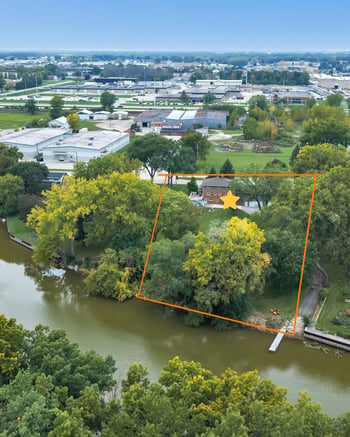
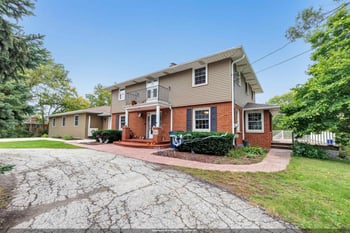



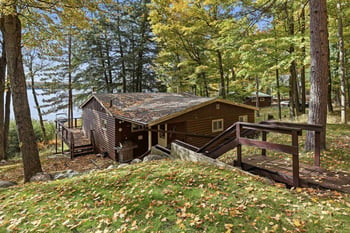
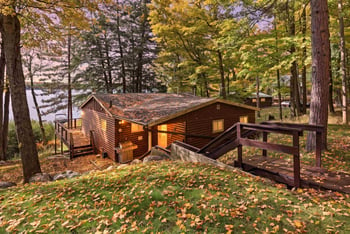
Waterfront shopping gets a lot more enjoyable when you start with the “week you want,” not just the view. Around Greater Green Bay and Northeast Wisconsin, the best-fit difference is usually simple: what kind of water you’re on, how your evenings feel when you pull in, and whether the property setup makes the seasons easy.
Around here, “waterfront” isn’t one thing. Fox River frontage lives differently than the Bay of Green Bay. Duck Creek and the Suamico River can feel more tucked-in and nature-adjacent. And Kewaunee County Lake Michigan frontage is its own category. When you name the water first, your shortlist gets cleaner fast.
The best waterfront homes feel like your day gets lighter the second you turn in—quiet pull-in, a calm entry, and a view you actually use. It’s the kind of place where a Tuesday night might be a short walk, a porch moment, or a quick stop by CityDeck on the way home—without making it a whole plan.
Waterfront living feels best when the outside space works the way you’ll actually live: a spot that’s comfortable in the evening, an easy path down to the water, and a layout that makes coffee-on-the-deck or friends-over-for-a-grill night feel natural. You’re not buying square footage—you’re buying a routine you’ll repeat.
If your waterfront dream includes a boat, kayaks, or simply sitting near the edge with your feet up, treat “water access” like a real feature—not a guess. Some homes feel instantly “grab-and-go,” while others are more about view and calm. Either can be perfect; the win is making sure it matches how you want to use the water.
Northeast Wisconsin is a four-season place, and waterfront can be the best version of that—summer evenings, fall color, and a winter quiet that feels almost private. The easiest homes to love long-term usually have simple “seasonal comfort” basics: parking that’s effortless, a protected entry, and a setup that keeps the day-to-day feeling smooth.
Ask one friendly question: “Would a normal week feel better here?” Picture the real sequence—pulling in after work, where you park, where you unwind, and what you’d do on a random Tuesday. If that picture feels easy (and you can imagine it in every season), you’re usually looking at the right kind of waterfront for you.
Waterfront shopping should feel exciting—in a calm, confident way. These are the simple checks that protect the lifestyle you’re picturing: easy evenings, real water access, and a home that feels comfortable through all four seasons. Nothing fancy here—just the handful of details that help waterfront living feel effortless.
If you tell us what “waterfront living” means to you (river calm, bay views, tucked-in creek, or Lake Michigan big-water energy), we’ll help you build a shortlist that matches your week—then let the listings confirm it. Ask a waterfront question.
Waterfront up here isn’t one thing. Sometimes it’s big-water air and wide-open sky. Sometimes it’s a quieter bend in a river where the evening settles fast. The best part is simple: when you pick the right kind of water for your life, you end up using it in small, real ways—coffee outside, a quick walk down to the shoreline, ten calm minutes after work that make the whole week feel better.
The happiest waterfront homebuyers name their version of the lifestyle early: big views, easy kayak/paddle nights, a calm fishing setup, or porch-and-sunset peace. Once you know what you’ll actually do, it’s easier to spot the listings that truly fit—and skip the ones that are “pretty” but not practical for you.
Picture coming home on a random Tuesday. Could you step outside for ten minutes without making it a whole project? If the path to the water is easy, the outdoor spot feels comfortable, and the property has a simple place for wet boots / gear, waterfront living tends to feel like a real upgrade—not just a view.
Northeast Wisconsin waterfront shines in summer—but the comfort comes from how the place behaves when it’s cold. A protected entry, a garage you’ll actually use, and a snow plan that doesn’t turn into daily improvising keeps the whole experience easy year-round.
Around the Green Bay area, waterfront can mean very different day-to-day living depending on whether you’re looking at river frontage, bay frontage, Lake Michigan shoreline, or smaller inland settings. Even before you get into the details, the vibe is different: some places feel wide-open and bright, others feel tucked-in and calm. Neither is “better.” It’s just about what you want your evenings and weekends to look like once you’re moved in.
A good way to keep your search grounded is to think in routines, not labels: where you’ll sit outside, how you’ll actually reach the water, and whether you can picture yourself doing the easy version of the lifestyle after a long day—not only on perfect-weather weekends.
In listing photos, almost every waterfront home looks like a dream. In real life, the difference usually comes down to access: is it set up for porch time only, or can you comfortably get to the shoreline with a chair, a kayak, a fishing setup, or a dog that wants to follow you down?
When there’s a pier or shoreline improvements involved, it’s worth using official guidance so you know what’s normal and what’s regulated. You’re not searching for problems—you’re keeping your confidence clean by understanding the rules around the exact lifestyle you want.
Helpful official references (quick checks):
Waterfront buying feels best when the facts match the feeling. The simplest way to get there is to verify three things early: the parcel shape (and where the lines actually sit), the flood map context, and the recorded basics matching what you’re seeing in the listing. When those line up, it’s easier to enjoy the fun part—imagining your life there.
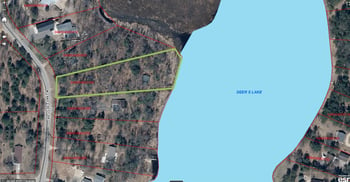
This is the “where does your yard actually end” question—especially important when the shoreline curves or the lot widens/narrows near the water.
Think of this as a clean “what’s the map say” step—then you can ask better questions about insurance, elevation, and how the property has been managed.
Ownership records and the fundamentals should match what you’re seeing. When they do, it’s a small but meaningful confidence boost.
Waterfront has a mood, and comfort is part of that mood. A setup that feels perfect at noon can feel totally different later in the day. The most “worth it” outdoor spaces are the ones that feel natural in the hours you’ll really use them—late afternoon into early evening, when dinner’s done and you want that exhale moment.
When you tour, don’t overthink it. Just stand where you’d actually sit and ask: does this feel protected enough to become a habit? If the answer is yes, that’s a strong sign you’re shopping in the right lane.
The cleanest way to shop waterfront is to stay topic-first—water access, comfort, and the “after-work” lifestyle—then cross-shop by area once you know what you want. If you’re building a shortlist, these are common starting points for browsing in this region:
If you tell us what waterfront means to you—porch-and-view calm, easy paddle nights, fishing setup, or big-water air—we’ll help you narrow to the listings that match your week, then confirm the details that keep it comfortable after you move in. Ask a waterfront question.
Waterfront can be an amazing way to live here—morning light on the water, easy evenings outside, and a home that feels like a true reset. These are the questions that help you keep the “good part” front and center while you narrow your shortlist.