New - 2 Days Ago


Green Bay homes for sale range from classic streets near Lambeau to river-near pockets downtown and quieter east-side blocks that still keep errands simple. Most daily routes run along Lombardi Ave, Oneida St, and Mason St with quick access to I-41/I-43, the Titletown District, the Fox River CityDeck, and trails like the East River Trail and Baird Creek. On game weekends, living close to the stadium can mean event-day energy—including neighbors renting out driveway or yard parking—or peace and predictability a few minutes away. Scroll below to view the latest Green Bay homes for sale and see which pocket fits how you want your week to feel.


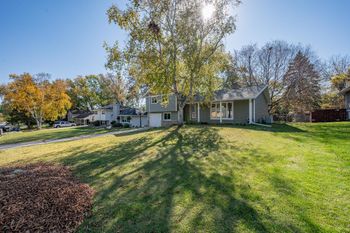


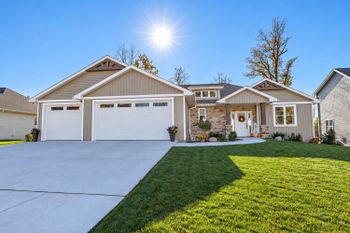


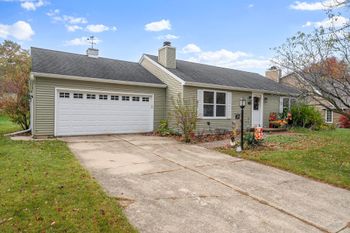


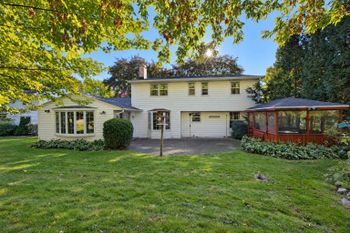


These are the lived-life checks that usually matter first—daily driving, parking realities, and the verify-by-address items that prevent surprises.
In Green Bay, the house style is only half the story. The other half is driveway practicality, basement expectations, and whether your “Green Bay” address is actually City rules or a neighboring municipality.
These three checks prevent most “how did we miss that?” surprises. Do them early for one saved address, then apply the same pattern to every contender.
In the Green Bay area, a home can look perfect on a listing page and still come with “wait, what?” details once you learn what the address actually falls under. This is the short list of checks that keeps your shortlist clean before you spend weekends touring, arranging inspections, and getting emotionally invested.
The reason this matters here is simple: the “Green Bay area” people talk about day to day includes multiple nearby municipalities and districts, and those lines can change what you pay and how your week works. Snow operations, street rules, and even who you call for certain services can hinge on that one detail. If you do nothing else, do the parcel record check before you tour your second house.
A practical way to use this: when you save a home, paste the address into the Brown County property search and keep a short note for each listing—municipality, school district field, and anything that looks different than you assumed. It keeps your comparisons honest and saves you from falling in love with the wrong “version” of the location.
In the Green Bay area, winter isn’t “just a season.” It changes the small, everyday decisions that make a home feel easy or frustrating. Parking is one of the biggest. The difference between a place you enjoy and a place you tolerate can be as simple as: where does the second car go on a normal weeknight when it’s snowing and you’re done being patient.
In the City of Green Bay, parking on the street is prohibited between 3 a.m. and 5 a.m. year-round unless you’ve received permission through the City’s overnight process. That catches people off guard because it’s not a “winter-only” rule. It shows up when you have guests, a teenager with a car, a roommate, or a garage that’s realistically being used for bikes, storage, and the stuff that comes with real life.
If a home only works because someone can “usually” park on the street, treat that as a real trade-off before you buy. A short driveway, a one-car garage you won’t use, or no true guest spot can turn into a steady source of tickets and stress.
Verify: City of Green Bay Night Parking | Overnight Parking Request Form
When a snow emergency is declared in the City of Green Bay, no vehicles are allowed to park on any street until the emergency expires (including metered areas). Overnight on-street parking permission is not granted during a snow emergency, and vehicles left out can be tagged, ticketed, and towed at the owner’s expense. This is why the “parking plan” matters more in winter than it does in July.
Picture a storm night: you’re home, the street is filling in, and you see a snow emergency posted. Can every vehicle in your household get off the street without shuffling cars multiple times or blocking your own driveway? If the honest answer is “not really,” you’re looking at a home that will feel harder than it needs to.
Verify: Snow Emergencies | Snow & Ice (DPW)
“Green Bay area” and “City of Green Bay” are not the same thing. Municipality lines change what’s enforced and how services work. If you’re cross-shopping De Pere, Bellevue, Howard, Ashwaubenon, or Hobart, confirm which municipality the address actually sits in before you treat any rule as universal.
Verify by address: Brown County Property Search
Green Bay looks "easy" on a map, but your day-to-day usually comes down to two things: which side of the Fox River you live on, and which connector you can reach without fighting a bunch of lights.
Most weeks settle into a familiar pattern. You don’t need to memorize the whole road system; you just need to know which of these three connects to your driveway.
The "Metro Spine." The main north-south artery. If you commute to Appleton or work on the far west side (Howard/Ashwaubenon), being close to a 41 on-ramp saves you 10 minutes of stoplights every morning.
The "Airport Shortcut." Runs east-west and is the fastest way to cross the river if you aren't downtown. It connects the stadium district (West) to Bellevue/Allouez (East) and is your direct line to the airport (GRB).
The "Lakeshore Route." Hugs the east side of the city. It crosses the river on the massive Leo Frigo high bridge—meaning you never have to wait for a boat to pass underneath.
The Fox River is the dividing line you feel in normal life. If your work and "regular stops" are mostly on one side, you’ll want your home on that side—or you’ll want a crossing that doesn’t add friction.
If you buy downtown, you will deal with drawbridges. The City operates bridges like the Ray Nitschke Memorial Bridge (Main St) and Walnut St Bridge. During shipping season, these lift for large coal and cement ships. It usually only takes 10 minutes, but if you're running late, those 10 minutes feel like an hour.
In winter, your best driving plan is the one that stays simple when the roads get messy. The most useful habit is checking conditions before you leave—especially if you rely on exposed highway stretches like the Leo Frigo bridge.
Once you’re living here, weeknights shrink into a few predictable places. You’ll find your “default” grocery run, your quickest dinner option, and the stretch of town where you can stack errands without thinking too hard.
Most households gravitate toward one of these hubs. If you hate bouncing across town, living near your preferred hub can make Tuesday nights feel noticeably easier.
The quick run. Central and dense—good for the “I forgot an ingredient” stop, pharmacy pickup, or a short errand stack. The trade-off is higher traffic volume.
The stock-up run. Northwest side near Howard—where bigger “load the cart” trips tend to happen (like Woodman’s and Fleet Farm) when you want selection.
If two homes feel similar, map the drive to your three repeat stops (grocery, pharmacy, hardware). The “right” location usually becomes obvious when you picture doing that errand run at 5:15 PM in February.
For weeknights, most people aren’t looking for a destination—they’re looking for ease. Green Bay tends to split into two different weeknight patterns.
Park once, walk. Good for a post-dinner stroll along CityDeck. Broadway (West Side) leans events/markets; Washington Street (East Side) leans riverfront dining.
Food + activity nights. Built for evenings where you want dinner and something to do in the same place. Keep home-game weekends in mind because the area behaves differently.
Not everyone uses transit daily here, but it matters if you have a one-car household, a teen getting to a job, or you simply want a backup option during winter weeks.
The practical question here is simple: would you go downtown for dinner on a random Wednesday, take a short walk after, and still feel like getting home is easy?
CityDeck is the riverfront promenade along the Fox River. It’s the kind of place you use because it’s simple: park once, eat downtown, and take ten minutes by the water before heading home.
CityDeck ties into the Fox River State Trail system. If walking or biking is part of your weekly routine, being close to downtown makes it easier to do that without “making a whole thing of it.”
The Broadway District (west side of the Fox River) is where a lot of the community events land—especially warm-season nights when people want food, music, and a reason to linger.
If you’re within walking distance, those nights can be a perk. If you’re just outside it, you’ll want to notice street parking and how “busy” feels to you when the calendar is full.
Downtown Green Bay is walkable in a “park once and cover a lot” way. Most people still drive in for dinner or events, but being close enough for a short trip is what turns it into something you actually use.
Ask yourself: “Would we do this in February?” If yes, being near downtown usually fits you. If it’s “only in summer,” you may prefer having downtown as an occasional short drive instead.
This is the part of Green Bay that either becomes part of your week—or it doesn’t. The difference is usually convenience: can you get outside for 30–45 minutes without planning, driving across town, or dealing with rules you didn’t know existed?
If you want a trail you can use without making a whole plan, this is the practical one. The downtown end makes it realistic for a quick walk, an easy ride, or a “clear your head” reset that doesn’t require driving to a distant trailhead.
If you bike and you’re 16+, plan on a Wisconsin State Trail Pass on state trails (daily or annual). Walking doesn’t require it—so this only matters if “getting outside” for you includes wheels.
Baird Creek is where Green Bay feels surprisingly wooded and steep for being in town. It’s a go-to for trail running and mountain biking, and it can feel quiet and tucked away—until you pick a route that’s more technical than you expected.
Some paths are straightforward, and some get rocky, rooty, and steep fast. If you’re walking with kids or want a simple route, check the map once so you don’t end up on a bike trail.
This is one of those places that makes more sense after you’ve lived here for a bit. It’s easy to fit into real life: a slow walk, a quiet hour outside, or a spot you take visiting family when you don’t want to fight traffic or parking.
It’s the “default” place for gentle walking—especially when you want something peaceful and flat. In winter, it’s also a common spot for cross-country skiing close to town.
When you want more space and a deeper “woods” feel without leaving the area, the Brown County Reforestation Camp is the reliable pick. It’s large, supports different types of outings, and is easy to keep in your rotation.
It shares space with major attractions, so weekend parking and trail traffic can feel different than a weeknight. If quiet matters to you, pay attention to when you go.
If two homes feel similar, compare how easy it is to reach your most likely outside option on a normal weeknight. The place you’ll actually use in March—when it’s not “perfect weather”—is usually the one you’ll keep using all year.
In the Green Bay area, “same price” can still mean a completely different week. The block decides the practical stuff—driveway width, garage fit, basement setup, and whether there are restrictions beyond city rules.
Closer-in neighborhoods often come with mature trees, sidewalks, and houses with more personality. The trade-off shows up fast in winter: narrower driveways, smaller garages, and more situations where street parking is part of the plan.
Look closely at driveway width and the garage door opening in the listing photos. If you have two vehicles, confirm whether both can be off-street overnight without blocking each other in.
Ranches and split-levels are common here, and many come with basements that are genuinely useful—storage, hobby space, extra living area. The key is making sure the basement “works” in spring thaw and heavy rain, not just on a dry day.
Steel beams or wall bracing in a basement isn’t automatically a deal-breaker. Often it means movement was addressed. The due diligence is simple: ask for invoices/permits and have your inspector evaluate walls, drainage, and any active cracking.
Newer areas often mean attached garages, wider driveways, and layouts built around day-to-day convenience. The trade-off is that restrictions are more likely to exist—sometimes a formal HOA, sometimes deed restrictions that still carry real limits.
If you plan to park a boat, RV, work trailer, or even a commercial vehicle at home, verify restrictions early. Don’t rely on listing remarks—request the CC&Rs or deed restrictions and confirm what’s allowed.
Outside the tighter city grid, you can often find more lot and more garage flexibility. What you verify is services and responsibilities: jurisdiction lines, who maintains the road, and what snow operations look like where the property actually sits.
Plow priority and timing vary by jurisdiction and street type. Before you buy, confirm the municipality/town on the parcel record, then check that jurisdiction’s snow operations page so you know what “normal” looks like after a storm.
In the Green Bay area, school assignment is an address decision, not a “mailing city” decision. If schools matter to your plan, the calm move is to verify early—by address—before you get attached to a street.
Two homes can both say “Green Bay” on the mailbox and still land in different districts. If you’re comparing listings across lines like Howard/Suamico, Ashwaubenon, and De Pere, don’t let the label “Green Bay” decide for you.
Copy the exact street address into the district’s official lookup tool. If the result surprises you, slow down and re-check the municipality line too.
De Pere is a common cross-shop area. There are two separate districts: Unified School District of De Pere and School District of West De Pere. Verify which district the address actually serves before assuming.
If you’re planning your next few years around a specific school path, this is the easiest “good house, wrong fit” mistake to make.
If you’re near an edge—where a neighborhood feels “close enough” to a different district—treat assignment as a hard verification item. Listings can be vague, and neighborhood names don’t override boundaries.
If schools are a top driver, verify first, then tour. It keeps you from doing emotional work on a home that can’t meet your non-negotiables.
If you love a home but the assigned district isn’t your first choice, Wisconsin’s Open Enrollment program is a legitimate planning tool. However, it isn't automatic—so don't treat it like a guarantee.
If this matters to your decision, read the DPI rules and timelines before you commit to a location strategy that depends on it.
This is where a lot of buyers get surprised: the mailing city can stay “Green Bay,” but the rules, services, and everyday friction can change fast. If two homes feel close on paper, these are the differences you’ll feel week to week.
De Pere feels more “small downtown” than most nearby options, but it also splits east/west across the Fox River. If your daily route crosses the Claude Allouez Bridge, do that drive at the times you’ll actually use it.
De Pere is also not “one school district.” Confirm whether the address is tied to Unified De Pere or West De Pere before you commit.
If you like short drives and easy access to shopping and dining, this is the “everything is close” option. The trade-off is that traffic and parking pressure can spike around Lambeau.
If a home is near the stadium area, verify whether nearby streets fall under special parking rules on event days.
Howard tends to feel more “subdivision forward,” with newer housing pockets and a smoother errands routine. If you want a quieter weeknight flow, this is often on the short list.
Different municipality means different snow operations and parking rules. Verify by address using the local municipal site.
Suamico is the “more space, more privacy” direction—bigger lots and a quieter feel. If you want room for a workshop or extra garage space, this is where people look.
Service types can vary by address. Confirm water/sewer (or private systems) on the parcel record and in the listing disclosures.
Allouez often feels more “lived-in neighborhood” than “new development,” with mature trees and a central location. The trade-off is tighter driveways and garage realities.
On older blocks, snow piles can narrow what looks like a “two-car” setup. Pay attention to driveway width and garage depth.
Bellevue is a common cross-shop when buyers want the east side commute pattern without feeling “in the middle of town.” You’ll still be close to essentials.
Verify municipality and school district by parcel record before you assume taxes, services, or assignment.
Hobart shows up when buyers want newer builds and a cleaner “subdivision” feel without being far from the main connectors.
Even without an obvious HOA fee, many newer neighborhoods have recorded covenants. If you have a boat or RV, verify the rules.
This is where a “normal Sunday” can stop being normal. If you’re close enough to hear the stadium announcements from your yard, the question isn’t whether it gets busy—it’s whether the way it gets busy fits how you actually live.
The biggest surprise is how early the flow changes. Well before kickoff, short drives start taking longer, common turns get blocked, and “I’ll just run out quick” turns into a decision.
If you need quiet weekends or like leaving the house spontaneously, build distance into your search. If you plan ahead and don’t mind a busy perimeter, you’ll handle it fine.
On home game days, you’ll see people parking on lawns in the stadium area. In some blocks, homeowners also allow parking on private property for a fee because demand is that high.
When you tour near Lambeau, stand at the curb and picture your front yard with cars on it. If that feels like a deal-breaker, move your search a few minutes farther out.
Some streets around the stadium are in Residential Parking Districts on game days. Street parking is restricted, and guests can get caught without the right permit or plan.
If you like hosting, treat this as a real lifestyle factor. A watch party is easy when friends can park on the street. It’s harder when everyone has to fit in your driveway.
Titletown is a real weekly-use asset when you live nearby. On game days and major events, the same area can shift into controlled lots, closures, and paid parking.
Don’t assume you can “cut through” the stadium area to save time. Check the official game-day guidance and the residential permit map.
These are the questions that come up after the excitement wears off—when you’re trying to picture a normal Tuesday in February and make sure the address behaves the way you think it does.
In this market, the mailing city can be misleading. The clean way to confirm what you’re actually buying is to pull the parcel record and look for the municipality and taxing jurisdictions tied to that exact address. That’s what determines who plows your street, who handles certain services, and what rulebook applies.
Start with the parcel record, then cross-check the map view if you’re near a boundary line or the street “feels” like it could go either way.
Treat school assignment as an address-level fact, not a listing detail. The safest habit is: (1) pull the parcel record and note the school district/taxing info, then (2) confirm with the district’s official boundary or address-lookup tool if one is provided.
One local “gotcha” to know upfront: De Pere is commonly discussed as one place, but school boundaries and district systems can differ depending on which side of the Fox River the home sits on. If you’re shopping near that line, verify early—before you get attached to a block.
The first surprise isn’t always the snow—it’s the parking rulebook. In parts of the area, overnight street parking restrictions can be year-round and strictly enforced. That changes what “works” for a home with a short driveway, a single garage bay, or a household with multiple vehicles.
The practical move is to decide your parking standard before you fall in love: “Can we fit our real life off-street?” If the answer is “barely,” winter turns into constant moving cars around plow timing and restrictions.
Living close can be fun—until you realize your “quiet street” becomes a logistics problem on event days. The two items that matter most are (1) whether your block sits in a residential permit district, and (2) what the posted restrictions actually require (timing, towing, guest parking limits).
This is a fit check, not a moral issue. Some homebuyers love the energy and don’t mind the planning. Others want to be close enough for a short drive but far enough that their driveway stays theirs.
In some nearby areas, “more space” can come with private utilities. That’s not automatically bad—but it does change what you inspect and what you maintain. If a listing is vague, confirm the utility type directly through the municipality/town information and the property record, then plan inspections accordingly (well water testing, septic evaluation/pump history, and any local requirements).
The calmer approach is to treat utilities as part of your home comparison—not an afterthought—because they affect daily life and long-term upkeep.
Not automatically. In parts of the Green Bay area, soil and drainage patterns can make basement walls a “watch closely” item. Wall bracing often means a prior concern was addressed. The real question is whether the fix was documented and whether water management around the home matches the story (grading, downspouts, sump setup, discharge location, and any permit trail).
The buyer-safe move is to ask for invoices/permits, then have an inspector evaluate the full system—walls plus drainage—so you’re not guessing from a photo.
If you only do a few things, do the ones that don’t care about opinions: parcel record, flood map, and internet availability. These are the quiet deal-breakers that usually show up after you’ve already pictured furniture in the living room.
A simple habit that works: keep one note for each address with municipality, school district, flood zone status, and your real internet options—then compare homes on facts, not vibes.