Listings
Market Stats
Popular Searches
Information

Oshkosh WI Homes for Sale – Fox River Riverwalk, UW Oshkosh, Easy I-41 Access

Home

Oshkosh sits where the Fox River meets Lake Winnebago, with an easy-to-learn layout that makes daily errands and commutes feel straightforward. Most routines run along I-41 and WI-21 (Oshkosh Ave), with quick reach to downtown’s Riverwalk and the Leach Amphitheater on the water. Between UW–Oshkosh on Algoma Blvd and lakefront spaces like Menominee Park, the city offers a lifestyle that feels active without feeling hectic and close to the water without being isolated. Scroll below to see the latest Oshkosh homes for sale and choose the pocket that fits how you actually live day to day.

Latest Homes for Sale in Oshkosh WI

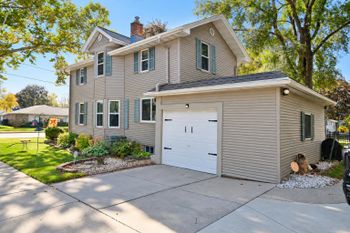
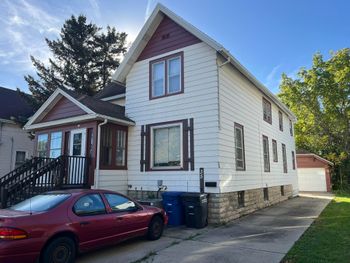
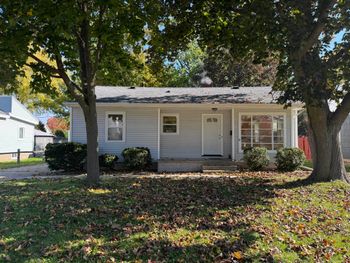
254 Properties Found
Sort By:

Current Real Estate Statistics for Homes in Oshkosh, WI

254
Homes Listed
61
Avg. Days on Site
$173
Avg. $ / Sq.Ft.
$310,343
Med. List Price

Oshkosh Quick Scan: What to Know Before You Buy

Listings tell you finishes. Oshkosh decisions usually come down to practical living: how close you want to be to the river/lake and downtown routines, how your home handles winter realities, and whether you’re okay with one very busy week a year shifting traffic and noise patterns.

Water + Basements

The Fox River and Lake Winnebago shape daily life here. That can be a real quality-of-life perk, but it’s also a reason to stay sharp on basement and drainage cues—especially on older homes.

Do this when touring: Look for yard slope toward the foundation, downspouts that dump next to the house, and where the sump discharge actually goes.

Winter Parking + Snow Logistics

Winter ownership is less about “snowy” and more about where the snow goes, whether the driveway ices over, and if street parking is realistic when plows are active. Some blocks feel easy. Others feel like a weekly puzzle.

The reality: If a home relies on street parking for everyday life, confirm winter rules and the block’s “snow storage” situation before you get attached.

Downtown + Riverwalk Routines

Oshkosh has a real “go downtown on purpose” pattern—market mornings, waterfront walks, and summer nights that feel like a reset. If you’ll actually use the Riverwalk and downtown calendar, proximity becomes a lifestyle upgrade you notice weekly.

Decision tip: If you won’t use downtown much, you may prefer quieter streets and easier parking instead of paying for closeness you don’t use.

Easy Weekends (No Big Plan Required)

The best “fit” signal is what you’ll do on an ordinary weekend. Oshkosh has real default options—Menominee Park and the lakefront are the kind of places you end up without scheduling your whole day around it.

Why it matters: Families, dog owners, and visitors feel the difference fast when a good park is five minutes away.

UW–Oshkosh Proximity

Campus-adjacent living can be convenient—walkable pockets, quick access to downtown—but it changes what “quiet street” means. Parking and weeknight activity can feel different depending on the block.

Touring tip: Do one drive-by on a weeknight and notice where overflow parking lands.

AirVenture Week

For most of the year, Oshkosh moves at a comfortable pace. AirVenture week is the exception—traffic patterns shift, some areas get louder, and locals run errands differently.

Reality check: The goal is choosing your pocket so that week feels optional—not like it takes over your routine.

Getting Around: The Routes You’ll Repeat

Oshkosh is easy to learn, but your week feels different depending on which side of the river you’re on and how often you need I-41. A small distance to your default route becomes a daily stress reducer—or a daily annoyance.

Do this once: Test your likely commute and your “school run” window around 4:30–5:30 p.m. to see how it really behaves.

What to Double-Check Before You Fall in Love

The quiet regrets here are usually practical: basement history, drainage, roof/ice clues, and whether parking works in winter on your specific street. The more “perfect” a house feels, the more this is worth slowing down for.

Mindset: You’re not being negative—you’re being accurate.

Who tends to fit Oshkosh best?

Homebuyers who want a real downtown plus a river/lake spine without constant big-city pressure. You like events as options—market mornings, waterfront walks, a summer show—without needing that energy every night.

You’re also comfortable doing normal Wisconsin diligence: basements, winter logistics, and the “does parking actually work here?” question on the streets you’re touring.

Local feel: Waterfront access and downtown routines, with room to breathe most of the year.
May not be ideal if…

You want year-round late-night walkability, or you never want to think about practical stuff like water/basements, snow storage, and winter street parking rules.

You’d also be frustrated if one very busy week a year shifting traffic and noise patterns feels like a dealbreaker.

Reality check: If that one “all-hands” week would bother you, choose your pocket and routes carefully.
Verify once, then reuse

Do these checks early on one saved address, then apply the same pattern to every contender—especially if you’re comparing older homes, basement finishes, or streets that rely on on-street parking in winter.

If you want, bring the top 2–3 contenders and we’ll sanity-check the “unseen” stuff—basement story, drainage, winter access, and what the street feels like at the times you’ll actually use it.

What Living in Oshkosh Feels Like on a Normal Week

Oshkosh is one of those places where listings can look interchangeable, but your week won’t. The difference shows up fast in the repeat stuff: where you grab groceries, how often you cross the river, and whether “near the water” is something you actually use after work.

The Tuesday Reality: Errands, School Runs, and the River Crossing Question

A normal Tuesday usually looks like a short drive and a few quick stops. The practical friction point you’ll notice early is whether your “default route” stays easy—or whether you end up crossing the river at the exact times everyone else is moving.

Do this once before you commit

Drive your likely work-to-home or school-to-home route during your real window (around 4:30–5:30 p.m.). If the crossing feels smooth, great. If it feels like a daily annoyance, it won’t get better after closing.

Parking is the other “quiet” factor. Some streets feel effortless. Some older blocks feel tight when everyone’s home. If street parking is part of your life, you want to know that now—not after the first snow event.

The Saturday Default: Market Mornings, Park Time, and the Water

Saturdays have a pretty natural “default plan” if you want one. It often starts downtown (farmers market mornings on Main and Church), then drifts toward the water because it’s easy to do a quick walk that turns into a longer one.

Riverwalk time

This is the “reset” walk for a lot of households—benches, spots where people linger, and enough water-view time to feel like you left the week behind.

Menominee Park

The easy weekend choice when you don’t want to over-plan—lakefront time, walks, and a “bring visitors here” option that still feels local.

The bigger point: if you’ll actually use downtown and the water, proximity pays you back weekly. If you won’t, you’re usually happier trading that closeness for quieter streets and easier parking.

Seasonal Reality: AirVenture Week (EAA)

For most of the year, Oshkosh moves at a comfortable pace. AirVenture week is when the pattern changes: traffic shifts, some areas get louder, and locals plan errands a little differently.

The practical takeaway: choose your pocket and routes so the week feels optional—fun in the background if you want it, easy to ignore if you don’t.

Where Errands and Weeknights Naturally Land in Oshkosh

The fastest way to understand Oshkosh is to watch how people run a normal week. You’ll see a clear split: weeknight errands tend to consolidate around a few “default loops,” while downtown is more of a planned stop—good when you want it, easy to skip when you don’t.

The two main grocery loops most weeknights fall into

The “Stock Up” loop (West/Westowne)

This is the full-cart run—when you want to get the week handled in one pass. Festival Foods on Westowne is a common anchor for that style of shopping.

Best for

Households that do one bigger weekly shop and like stacking errands in the same area so it’s done and over with.

The “Quick Stop” loop (Jackson / central grid)

This is the grab-dinner-ingredients run—fast in, fast out—especially if you live closer to the older street grid and river-adjacent pockets. Pick ’n Save on Jackson is a common default for that pattern.

Best for

Homebuyers who want errands to feel local and quick—without driving down to the south-side retail stretch every time.

A simple way to choose between two “similar” houses

Ask yourself which loop you’ll actually use on a normal weeknight. If your default is Jackson, you’ll feel it every time you live “a few minutes closer” to the central grid. If your default is Westowne, you’ll notice how much easier it is when your stock-up run doesn’t require crossing town.

Downtown vs. the south-side retail stretch (when you go where, and why)

Downtown = “on purpose”

Downtown Oshkosh is where you go when you want a change of scenery—coffee, a meal, a walk, seeing people. It’s the kind of stop that feels slower in a good way, and it doesn’t have to be part of every errand run.

South side = “efficiency”

The Koeller/Washburn side of town is where you go to get things done fast—stack errands, grab basics, and get back home without making it a whole evening. If your household runs on efficiency, this is where your weeknights naturally drift.

Practical takeaway

Proximity only helps if you’ll use it. If you like downtown nights, being closer makes them feel easy. If you mostly want fast errands and quieter streets, you’ll usually be happier prioritizing “easy parking + easy retail runs” over being near Main.

If you work from home: coffee runs, walk breaks, and midday errands

Work-from-home life in Oshkosh tends to get better when your breaks are simple. A quick coffee run that feels like leaving the house on purpose. A short walk that clears your head. A midday errand that doesn’t eat the whole afternoon. If you’re close to downtown, those “reset” breaks can happen without turning into a drive.

Touring tip for homebuyers who work from home

Sit in the driveway (or at the curb) mid-morning and mid-afternoon and ask one simple question: does this street feel calm enough to focus, but close enough that you’ll actually take breaks outside? In Oshkosh, “five minutes closer” quietly turns into a better week.

Fox River and Lake Winnebago Life — Walks, Parks, and the Parts That Affect Home Choices

In Oshkosh, “near the water” isn’t just a nice line in a listing. It changes what you do after work, where you take visitors without planning it, and what you should pay attention to when you’re choosing a home (how the lot drains, how the basement behaves, and how exposed the yard feels on a windy day off the lake).

Riverwalk and waterfront evenings: the “quick walk” that turns into a longer one

The Riverwalk is where a lot of weeknights end up—paved, easy to jump onto from downtown, and casual enough that you don’t feel like you had to plan your evening around it. On warm nights you’ll see couples doing a slow loop, families letting kids burn energy before bed, and plenty of people just sitting near the water for a minute before heading home.

When it feels busiest

Summer evenings when downtown is already active—especially around event nights. It’s still relaxed, just more social.

When it feels quiet

Early mornings, colder-season afternoons, and “nothing special happening” weeknights—when it feels like background calm instead of a scene.

Home-choice reality

The closer you are to the water, the more you’ll actually use it on a normal weeknight. But “near water” also means being a little more serious about the unglamorous stuff—grading, downspouts, sump discharge, and the basement story—because the river and lake shape the landscape here.

Menominee Park: the easy weekend default (especially with kids or visiting family)

Menominee Park is where people go when they don’t want to over-think the day. It’s lakefront, it works for a quick hour or a long afternoon, and it’s simple to say, “let’s just go for a walk by the water.” If you have visitors, it’s also the kind of place you can take them without needing a plan first.

Why this matters for homebuyers

If you’ll actually use Menominee Park, living a short drive away feels like an everyday upgrade. If you won’t, you’re usually better off prioritizing easier weeknight logistics—parking, errands, commute routes—instead of paying for proximity you don’t use.

Trail access as routine: where people actually walk, bike, and clear their head

The “best trail” is usually the one you’ll use on a normal day. In Oshkosh that tends to mean shorter, convenient loops—after-dinner walks, dog walks before work, a quick bike ride when the weather’s nice—more than big, planned outings.

The weeknight habit

Riverwalk segments and lakefront park paths—when you’ve only got 20–40 minutes and you want to come home feeling better than when you left.

The quieter option

Shoreline parks and calmer pockets away from downtown water—where you hear wind and water more than traffic.

Touring tip

If the water and trails are part of why you’re looking at Oshkosh, test it like you’ll actually live it: go at the time you’d normally walk (after work or after dinner) and see if it feels easy to start. If it takes effort to begin, you won’t use it often—no matter how good it looks on a map.

Winter in Oshkosh: The Small Practical Things That Matter More Than You Expect

Oshkosh winter isn’t just “it snows.” It’s the logistics: where the snow goes after the third plow, whether your garage actually works like a garage, and how an older home feels when the wind picks up off Lake Winnebago.

Driveway + garage reality: snow storage, ice patches, and “can two cars actually fit?”

A lot of “two-car garage” listings feel roomy in July and get tight in January. The difference is usually snow management and storage: where the shovels go, where the snowblower lives, whether the entry door is easy with boots, and whether you can still open car doors once snowbanks stack along the edges.

Tour like it’s February

Picture two vehicles, boots at the door, and wet gear drying out. If the driveway is narrow or boxed in by landscaping/retaining edges, the real question becomes: where does the snow pile go after repeated clears?

The ice patch check

Look for downspouts that dump near the garage apron or your main walkway, and for low spots where meltwater collects. Those are the places that turn into the daily “careful” zone.

Street parking and plowing realities: how winter changes certain blocks

On tighter older blocks, winter is where the parking plan either works or becomes a weekly annoyance. Plows need room, rules get enforced, and your “normal” curb spot may not be available the same way during snow events.

What to notice on a showing
True capacity: Is there really off-street parking for everyone, or does the plan rely on the curb?
The berm: On corner lots and busier streets, notice where the plow berm tends to land. Some driveways get “re-filled” more than others.
Rear access: Do you see alley access or rear parking pads that stay usable when snowbanks build up?

If street parking is part of your daily plan, it’s worth checking the city’s current winter parking rules for your exact block before you fall in love.

Older-home winter performance cues to notice on a showing

Oshkosh has plenty of older homes with great character. Winter is where you learn how the house has been cared for. The goal isn’t “perfect.” It’s knowing what you’re signing up for—small drafts you can fix, versus patterns that hint at bigger heat-loss and moisture issues.

The “draft map” test

Stand near exterior doors, older windows, and the basement stair area. If you can feel cold air moving on a calm day, you’ll feel it more when the wind picks up.

Roof edge clues

Heavy icicles and thick refrozen edges can hint that heat is escaping into the attic. It’s a reason to ask about insulation and ventilation, and whether ice dams have been an issue.

Basement + utility cues

Look for a clean, confident setup: sump location, discharge routing, and whether anything looks improvised. In winter, poorly routed discharge can freeze up and create fast headaches.

Verify once, then reuse

Quick note: Oshkosh uses winter parking rules and snow procedures that can change how street parking works during storms. If curb parking is part of your plan, confirm the current rules before you commit.

Oshkosh Basements and Water Risk: What to Look For Before You Get Attached

In Oshkosh, basements are rarely a “yes/no” topic. They’re usually a “how is this home set up to handle water?” topic. A few quick exterior checks, a couple sump questions, and some honest sensory cues can save you from falling in love with a repeating problem.

Grading and downspout behavior: what to notice visually (before you even go inside)

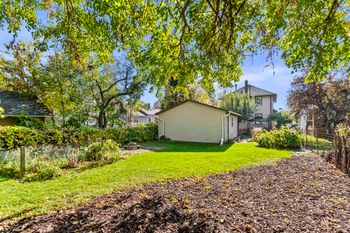
Most basement trouble starts outside. Before you study the finished lower level, walk the perimeter and watch where water would land and where it would travel. You’re looking for a simple story: water goes away from the house, not toward it.

Ground slope

The first few feet should fall away from the foundation. Flat ground can be fine, but it puts more pressure on gutters, extensions, and sump performance.

Downspout exits

Extensions should carry roof water well away from the corners. A downspout that dumps right at the foundation is one of the most common (and most fixable) warning signs.

Hard surfaces

Patios, sidewalks, and driveway edges should tilt away. A slab that has settled and tilts toward the wall acts like a funnel during heavy rain.
Pooling clues

Look for dips near the foundation, splash marks, or a “mud line” near corners where water tends to sit after storms.

In older pockets, lots get “improved” over time—new beds, new walks, raised landscaping. Sometimes that accidentally changes where water wants to go.

Sump and discharge realities: what questions to ask (and what answers should sound like)

A sump pump isn’t automatically bad. In a lot of Wisconsin homes, it’s normal. What matters is whether the setup looks intentional and whether the discharge sends water away instead of recycling it right back toward the foundation.

What “good” looks like

A tidy pit area, a discharge line that looks secure, and a route that ends well away from the house (not right at the corner or into a spot that drains back toward the wall).

Questions that get real answers
  • “When does it typically run—only after heavy rain, or more often?”
  • “Where does the discharge end up, and how far from the foundation?”
  • “Any backup plan (battery or secondary), or just one pump?”
  • “Has the basement ever taken water, even once—and what was changed after?”

The goal isn’t a house that’s “never had a drop.” The goal is a house where the water plan makes sense—and someone can explain it without guessing.

Smell and “feel” cues that matter in older housing stock

Finished basements can hide visual clues, but they rarely hide the air. Pay attention to what your senses pick up, especially if you’re touring on a humid day or right after weather.

The “masked” smell

Heavy air freshener, strong scent, or a basement that smells “covered up” instead of clean can mean they’re actively managing moisture.

Baseboards and edges

Look along trim and the bottom edge of finished walls for warping, staining, or a “fresh paint band” near the floor.

Humidity feel

If it feels clammy now, it usually feels worse in peak summer. Ask if they run a dehumidifier and where it drains.

Storage habits

If everything is lifted off the floor (shelves, pallets, plastic bins), that can be organization… or learned behavior after water.

How proximity to water changes what you double-check (without overclaiming)

Living closer to the Fox River or Lake Winnebago can be a real lifestyle upgrade. It doesn’t automatically mean a home will have issues. It does mean you should be more disciplined about the basics: drainage, the sump setup, and any disclosed history of seepage.

Extra diligence that makes sense near water
  • Check the FEMA flood map for the exact address.
  • Ask how the yard drains after heavy rain (not just “has it flooded”).
  • Confirm where sump discharge ends up and whether it ever freezes or short-cycles.
  • Pay extra attention to gutter/downspout extensions and where water lands during storms.
Verify once, then reuse

If you’re comparing multiple homes, save one address you like and run the same checks each time. The point is a repeatable pattern—not a one-off deep dive after you’re already attached.

School-Day Logistics in Oshkosh: The Commute You’ll Actually Do Twice a Day

For families, Oshkosh “fit” shows up in the same two windows every weekday: the morning run and the after-school stack. The pocket you choose decides which roads you lean on, how often you cross the Fox River, and whether winter turns a simple loop into a daily workaround.

School mornings by pocket: busy roads, river crossings, and winter routes

Distance matters less than friction. In Oshkosh, the friction points are predictable: a bridge crossing you can’t avoid, a left turn that always stacks up, or a “shortcut” through older blocks that stops feeling like a shortcut once snowbanks narrow the street.

The “stay on your side” habit

Oshkosh is split by the Fox River, and a lot of families build weekdays that mostly stay on one side of it. Crossing becomes something you do on purpose, not something you want baked into every morning.

West-side loops vs. central grid loops

West-side routines often lean on the 20th Ave spine and quick access to US-41. Central/downtown pockets trade some “easy parking” for shorter hops to Main Street, the library area, and campus-adjacent errands.

Winter changes the margins

Routes that depend on tight curb parking, narrow turns, or alley access can feel fine in fall and totally different after a few plows. If the street gets tight, the whole morning feels tighter.

Practical drive test: Run the real loop once: driveway → drop-off direction → first stop you’d actually make (gas, coffee, quick grocery) → back home. If it feels smooth twice, it usually stays smooth.

After-school life: parks, quick stops, practice runs, and “one more thing” errands

The after-school window is where a neighborhood either feels easy or like you’re constantly running late. The best-fit pockets are the ones where you can stack two or three stops without it turning into a second commute.

The downtown stack (short hops)

For central Oshkosh, pairing the Oshkosh Public Library (106 Washington Ave) with nearby downtown errands is a genuine “easy button,” especially when you only have a small window before practice or dinner.

The YMCA default plans

The Downtown YMCA (324 Washington Ave) and the 20th Ave YMCA (3303 W 20th Ave) anchor different routines. Knowing which one you’ll actually use most matters more than being “close to a gym” in theory.

Rec programs that don’t require over-planning

Oshkosh Rec programs work best when they’re easy to get to on a weekday. If practices feel like a quick hop, you’ll do them. If they feel like a cross-town production, they tend to fade.
Small but real detail: If your routine includes the library/downtown area, it’s worth knowing where you’ll park for a true “quick stop,” not a slow circle.

What families tend to verify early: boundaries, options, and transportation

This is the easiest stress to avoid. Verify school fit by exact address early—before you start imagining the furniture layout. If you’re open-enrolling or comparing districts, dates and eligibility matter, and it’s better to know up front than scramble later.

Attendance zone (by address)

Use the district’s locator for the exact address. Boundaries can shift, and “it should be that school” isn’t the same as confirmed.

Transportation expectations

If busing matters, read the transportation basics early so your plan doesn’t rely on an assumption that isn’t true for that address.

Programs and enrollment windows

If you’re considering open enrollment or a specific program path, verify the process and timing first. It’s a simple check that prevents a lot of second-guessing.

The family fit shortcut: If two homes feel similar, pick the one that makes the school loop easy—fewer forced crossings, fewer tight-parking blocks, and an after-school stack that works without extra planning.

AirVenture Week: What Changes, What Doesn’t, and Who Actually Likes Being Close

For most of the year, Oshkosh is steady and easy to live in. Then one week in late July, Wittman Regional Airport becomes the center of gravity. The key isn’t “good or bad”—it’s whether that one-week shift fits your household’s temperament and your home’s location.

The practical impacts: traffic, noise, and crowd patterns

What changes
  • Traffic reroutes become normal: the US-41 / WI-21 / Koeller side can feel “busier on purpose,” and local connectors near the grounds see heavier flow.
  • Sound and lights are more noticeable: not everywhere in the city, but close enough to the airport that you’ll feel the week even if you’re not attending.
  • Errands become more planned: households often shift grocery runs and kid schedules to avoid the most crowded windows.
What doesn’t
  • Most of your year is still “normal Oshkosh”: the week is real, but it’s not the day-to-day baseline.
  • Neighborhood feel stays neighborhood feel: you’ll still judge a pocket by parking, winter practicality, and whether your weekday loop is easy.
  • Your side-of-town routine still matters: the Fox River “stay on your side” behavior doesn’t disappear—people just get more intentional about crossings.

Simple homebuyer test: If you’re serious about a house, do one drive-by at a “normal” time and one during AirVenture week (or at least ask the neighbors what that week feels like on their block). You’re trying to learn whether the impact is background noise—or a weekly routine breaker.

The upside for some households: energy, being close, and “host week”

Some people genuinely enjoy it. If you’re the type who likes a big annual event as a “choose-your-own-adventure” week, being closer can feel like you live near a temporary festival—walkable moments, a little more buzz, and friends who suddenly want to visit.

Who tends to like being closer
  • Households who go to AirVenture (even casually) and like having it feel “nearby,” not “across town.”
  • People who don’t mind a week of extra motion if the other 51 weeks are calm.
  • Homebuyers who like the idea of a dependable “host week” for visiting friends/family.
The renting/visitors angle (only if you want it)

Some owners explore short-term hosting during the week, but this is a rules-first topic. If that matters to you, verify local regulations, HOA rules (if applicable), and insurance requirements before you treat it as part of the plan.

Who should avoid being too close: light, calm, and “I want my week unchanged”

May not be ideal if…
  • You’re highly sensitive to sound or nighttime light changes and value a consistent, quiet baseline.
  • You need your errands and school loops to run on autopilot with zero seasonal disruption.
  • You’d resent reroutes and extra traffic as a personal inconvenience rather than a temporary trade-off.
If calm is your priority

The more “residential-first” your pocket feels during a normal week, the more likely it is to feel like home year-round—even when the city’s busiest week is happening elsewhere. For most homebuyers, that’s the safer bet unless you already know you want to be in the mix.

Getting Around Oshkosh: What Your Default Routes Tend to Be

Oshkosh usually feels straightforward until your week settles into a pattern. Then you notice what matters: whether your daily loop forces a Fox River crossing, how often you end up on Koeller, and how cleanly you can hit I-41 when you’re commuting or cross-shopping the Fox Valley.

In-town movement: bridges, river crossings, and where it stacks up at the wrong time

The Fox River is the defining logistics feature. Most households naturally form a “my side of town” routine and cross the river on purpose. If your everyday loop depends on a bridge during peak times, that’s where a small annoyance becomes daily friction.

Downtown + campus-area crossings

Around Main St / Algoma Blvd and the UW–Oshkosh area, you feel the difference between “I’m already there” and “I have to cross into it.” It’s timing, lights, and the fact you can’t route around it forever.

Koeller / south-side retail hours

Koeller St and the US-41 / WI-21 / Omro Rd side is built for efficient errands—until everyone is doing the same errand stack (late afternoon, dinner hour, weekends).

The “one extra light” effect

Some trips look short on a map and feel longer because of signal cycles. If you’re choosing between two pockets, test the drive once around 4:30–5:30 p.m. It’s instantly clarifying.

Quick reality check: Run your “weekday chain” (home → drop-off → quick stop → home). If it forces a river crossing at the wrong time, you’ll feel it twice a day.

I-41 access: what it changes for commuters and Fox Valley cross-shoppers

I-41 is what makes the region feel smaller. If you’re heading toward Appleton, Neenah/Menasha, or Green Bay, being able to get on the highway cleanly can matter more than being a little closer to a weekend-only destination.

  • West and south-side pockets: “Getting out of town” tends to be simpler, especially if your routine already runs near WI-21/Omro Rd and the US-41 side.
  • Central and river-adjacent pockets: You often win on downtown access and shorter hops for local stops, but you may spend a little more time reaching the interstate. Not bad—just a trade to choose on purpose.
  • If you’re cross-shopping: Do one rush-hour test drive from the driveway to your most likely highway direction. In the Fox Valley, two places can both be “close,” but live very differently Monday through Friday.

Winter and construction season: what slows you down and how people adapt

Most slowdowns come from two seasons: snow and orange barrels. Winter narrows streets and changes parking habits. Construction season usually means one familiar connector is temporarily annoying, and everyone quietly adopts a second-best route for a while.

Snow makes older blocks feel tighter

Curb space disappears quickly, corners get harder to see around, and what felt like “plenty of room” becomes a narrower daily lane. If your plan depends on curb parking, imagine it after a few plows.

Always keep a backup way home

The local move isn’t to stress about detours—it’s to learn two ways home: your normal route and your backup route. The right pocket is the one where both routes still feel reasonable.

Comparing Oshkosh to Appleton or Fond du Lac: The Practical Trade-Off

These three look close on a map, but they don’t live the same. The real differences show up in your Tuesday-night errand run, how often you depend on I-41, and whether you’re comfortable with older-home upkeep (especially basements) in exchange for character and location.

Errands and commercial convenience: where your weeknight stops naturally land

Ask yourself one simple question: where does your Tuesday-night “we need a few things” run actually happen?

Oshkosh

Two-mode city. Downtown/Main Street is usually “on purpose” (coffee, dinner, a walk), while the south/west side around Koeller St and the WI-21/US-41 area is the practical errand zone.

Appleton

More built-out default convenience, plus a clearer “go downtown” pattern along College Avenue. If your household likes having more options without leaving town, Appleton often feels easier.

Fond du Lac

More “get-it-done” efficient. Errands tend to pair well with commuter movement, with less pressure to make downtown part of your weekly routine unless you want it.

Self-check

If you want the strongest “options without thinking” setup, Appleton usually wins. If you want a smaller downtown you use when you feel like it—and practical errands in a separate zone—Oshkosh tends to fit.

Commute patterns: I-41 reliance vs staying local

The practical question here isn’t mileage. It’s whether your week depends on the highway—or whether your best life is mostly local with occasional I-41 runs.

Oshkosh

“River + connector” living. Many households build weekday routines that stay on their side of the Fox River, crossing when they mean to. Where you live decides whether your highway hop feels clean—or like one extra step every day.

Appleton

“Fox Cities movement.” It can feel like the middle of more daily activity—great for connectivity, busier in the places you’ll actually drive on a normal weeknight.

Fond du Lac

“Highway-first practicality.” If you truly use I-41 most days, Fond du Lac often feels clean and predictable—less in-town friction, more commuter flow.

Drive test

Do one “real loop” at 4:30–5:30 p.m.: driveway → first stop → highway direction (if you commute) → back. The easiest week wins.

Housing stock feel: older basements vs newer edges

Oshkosh

You’ll see a lot of older housing where grading, downspouts, and basement discipline matter. Newer edges can be simpler for winter parking and garage function, with a different neighborhood feel.

Appleton

Wider spread: distinct older pockets plus a big ring of newer patterns. The decision is usually “character and closeness” versus “newer and easier.”

Fond du Lac

Often leans utility-first for homebuyers: lot function, winter driveway/garage practicality, and how qu

What to Confirm Before You Make an Offer in Oshkosh

This is the “go / no-go” gate. In Oshkosh, the biggest surprises aren’t usually the finishes—they’re the block rules, the lot’s water behavior, and the paper trail. If you confirm a few specific things early, you’ll feel a lot more confident when it’s time to write.

Property record clarity: parcel facts, taxes, and permits

Do this before you mentally “move in.” It’s how you catch the simple stuff—an outbuilding that’s tighter to the line than you assumed, a driveway/parking arrangement that doesn’t match the lot, or a major update that doesn’t show up in the record the way you’d expect.

Parcel reality (map first, then vibes)

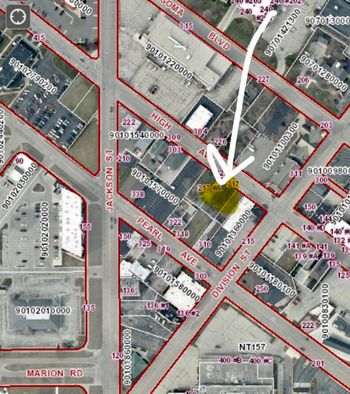
Pull the parcel viewer and confirm you’re looking at the exact lot. If there are fences, sheds, alley pads, or a “surprise” side driveway, this is where you see how it actually sits.

Tax record basics

Check the owner record and the current tax page early. It’s also a quick way to catch address quirks (unit letters, odd numbering) before paperwork starts flying around.

Permits when something feels “new”

If the basement is freshly finished, the electrical looks recently redone, or there’s a clear addition, a quick permit search is worth it. You’re not judging—just confirming what’s documented.

Winter rules that change daily life: street parking and sidewalks

Winter here isn’t dramatic—it’s persistent. The “small stuff” is what gets you: where snow piles after the third pass, whether guests can park the way you assume, and how much sidewalk you’re responsible for on a corner.

Street parking (block-by-block reality)

If your plan relies on the curb for a second car or visiting family, confirm overnight rules and what changes during snow events. On tighter older streets, this is the difference between “easy” and “always juggling.”

Plow berms and driveway re-fill

Corner lots and certain wind-exposed stretches get hit harder. Look at the driveway throat and picture the berm landing there repeatedly—some driveways get re-opened more than once.

Sidewalk duty (especially corners)

If sidewalks wrap the lot, you’re effectively shoveling “two fronts.” Decide now if that fits your week, especially if you travel or you’re not home every storm.

Water and drainage: lot slope, downspouts, sump discharge, and flood maps when relevant

Near the Fox River and Lake Winnebago, “water” shows up in normal ways—spring melt, summer storms, and the way some older lots settle over time. The goal is simple: confirm the property sends water away from the house, not toward it.

Grading and hard surfaces

Walk the perimeter. You want clear fall-away from the foundation. Pay attention to patios and driveways too—settled concrete can quietly tilt water back toward the wall.

Downspouts (the easiest red flag)

Look for extensions that carry water away. Downspouts that dump right at the corner are common—and fixable—but you want to know what you’re inheriting.

Sump discharge routing

If there’s a sump, treat it like a system. The key question is where the discharge goes. You don’t want it recycling right back to the foundation or freezing into a driveway ice sheet in January.

Near water? Do the map check

If the house is close to the river, the lake, or low-lying pockets, check the FEMA map by exact address. Even when a place feels “high,” the mapped zone can influence planning.

Bring this on the first showing (screenshot list)
What to bring
  • Flashlight (foundation corners, utility walls, unfinished areas)
  • Tape measure (garage depth, tight “two-car” reality)
  • Note app with three prompts: slope, downspouts, sump discharge
Where to look first
  • Basement air: musty, overly “masked,” or running a dehumidifier hard
  • Baseboards/trim: warping, stains, or brand-new pieces that don’t match
  • Driveway/downspouts: any discharge that dumps onto walking surfaces
Questions that get real answers
  • “Where does the sump discharge run to outside?”
  • “Any water intrusion history in spring storms or thaw?”
  • “Where does the second car park during winter parking rules?”
The quick decision tie-breaker

If two homes feel similar, the better pick is usually the one that’s simpler to live with: a clear parking plan in winter, obvious drainage away from the foundation, and a basement that smells and feels normal without workarounds.

Oshkosh Real Estate Questions Homebuyers Ask

These are the questions that usually decide whether a home “fits” after the first week—parking, water, winter, and the everyday routes.

What are the best pockets for “quiet but convenient” living?

"Convenient" usually means you can reach Main Street or UW-Oshkosh without living on the traffic corridor.

The Self-Check: Groceries consolidate around Jackson Street (North/Central) or Koeller/Westowne (South/West). Choose the pocket that matches your errand style.

Fast Test: Drive your "default" route at 5:00 PM. If it feels smooth twice, it's the right pocket.

How do winters change parking and driveway life?

It's about logistics, not just snow depth. Does your "two-car garage" still fit two cars once you add the snowblower and bins?

Older Blocks: Street parking rules tighten in winter. If you rely on the curb for a second car, check the specific odd/even rules for that block.

Touring Tip: Look at downspout exits. If they dump onto the driveway, you'll have an ice patch all winter.

What should I watch for in older basements here?

Start outside. Walk the perimeter. Does the ground fall away from the foundation? Do downspouts carry water away from corners?

Inside: Trust your nose. Heavy air fresheners or a dehumidifier running hot are signs of active moisture management.

River/Lake Proximity: Verify the address on the FEMA flood map, even if the house "feels high."

How does AirVenture week affect neighborhoods?

Most of the year, Oshkosh is steady. For one week in July, traffic routes change and noise increases near Wittman Airport.

The Trade-Off: Some see it as a feature (energy, visitors). Others see it as a hassle. If you want quiet, check the flight path and traffic zones before you buy.

What’s the day-to-day difference of living near downtown?

Near Downtown: You walk more, park once, and use the Riverwalk. You trade driveway ease for lifestyle.

Farther Out: Weeknights are efficient. You get highway access and easy errands (Target/Walmart), but downtown becomes a "planned trip."

What should right-sizers prioritize?

Focus on "Weekly Ease." Garage depth (can you walk around the car?), laundry location, and grocery unloading friction.

The "First Showing" Kit:
  • Flashlight: Check utility corners.
  • Tape Measure: Check garage storage.
  • Boots: Walk the yard drainage.
Raleigh Realty HomesRaleigh Realty Homes

Dallaire Realty Offices

Office: (920) 569-0827

Green Bay Office

Dallaire Realty

1830 W Mason St #10
Green Bay, WI 54303

Phone: (920) 569-0827

Oshkosh Office

Dallaire Realty

100 N Main St #104
Oshkosh, WI 54901

Phone: (920) 310-8068

Dallaire Realty

Northeast Wisconsin Disclaimer

IDX information is provided exclusively for consumers’ personal, non-commercial use. It may not be used for any purpose other than to identify prospective properties consumers may be interested in purchasing The data is deemed reliable but is not guaranteed accurate by the MLS. Information received from other 3rd parties: All information deemed reliable but not guaranteed and should be independently verified. All properties are subject to prior sale, change, or withdrawal. Neither listing broker nor Dallaire Realty nor RANW MLS shall be responsible for any typographical errors, misinformation, misprints, and shall be held totally harmless.

Copyright 2026 – RANW MLS – All Rights Reserved.