Open: Sun 11:00 AM - 1:00 PM





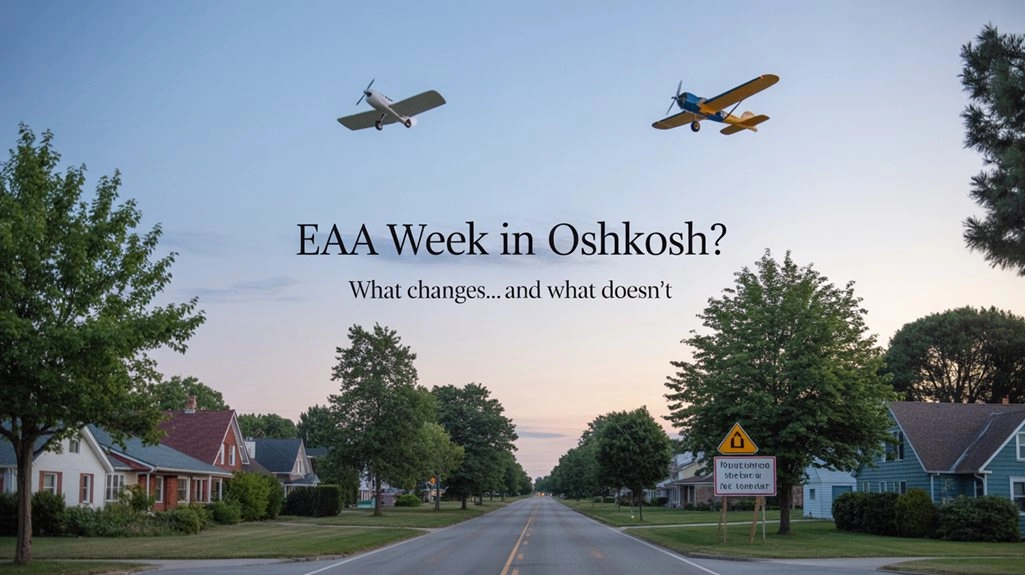
If you’re new to Oshkosh, you’ll hear “EAA” said like it’s a normal calendar term—almost like someone saying “graduation week” or “opening weekend.” It pops up in quick advice from a neighbor, or a casual comment at the store: “Give yourself extra time if you’re headed that way.”
For out-of-state homebuyers, the hard part isn’t the event itself. It’s not knowing what “EAA week” changes in day-to-day life, and what stays exactly the same. The honest version is pretty calm: AirVenture makes a few roads and pockets busier for a short stretch each summer, and then Oshkosh goes right back to its usual pace.
One helpful detail up front: AirVenture is typically held for about a week in late July. So when someone warns you about “that week,” they mean a contained window—not a whole season you have to plan around.
If you want the real-world version in under a minute, it’s this:
AirVenture is a large aviation event held at Wittman Regional Airport (often called Wittman Field). Planes arrive from all over, there are scheduled airshows during the day, and a lot of visitors are in town for the week.
When people here say “EAA,” they’re usually talking about practical life: heavier traffic near airport access roads, busier restaurants in the evenings, and the sound of aircraft during certain daytime windows. They’re not describing the whole city being jammed up from morning to night.
Traffic is the biggest change—and it’s also the easiest one to understand once you’ve seen it. Congestion clusters around the roads that feed the grounds. I-41/US-41 is the main spine people notice, especially near the exits visitors use for airport access. Poberezny Road and a handful of nearby connectors take on that “steady stream” feel at peak times.
The timing is pretty consistent. Early in the day, you’ll notice more cars moving toward the event. Later in the afternoon and early evening, you’ll see the opposite as people leave. What most long-time residents do isn’t complicated: they treat I-41 and Poberezny as “event roads” for the week and keep normal errands on neighborhood streets. People still run their usual routines—they just don’t choose the same on-and-off ramps right when the crowd is doing it.
If your work schedule can’t flex, do one simple test before you decide an area “must be stressful.” Drive your commute once on a weekday morning during AirVenture week. You’ll learn fast whether your route intersects the inbound wave or stays comfortably outside it.
Yes, you can hear planes during AirVenture week—especially during scheduled airshow blocks in the afternoon. But it’s not “all day, everywhere.” It’s more like you’ll be outside watering plants or taking a walk, hear a few minutes of activity, and then it settles back down.
Near the airport and under certain flight paths, the sound is obvious outdoors. A few miles away, it often fades into a distant hum unless you’re listening for it. Inside most homes—especially with windows closed—it’s typically muted rather than disruptive. If you’re trying to picture it, it’s the difference between “I notice it when I’m outside” and “it interrupts what I’m doing.” Most addresses are closer to the first than the second.
A useful reality check is simple: can you hear it indoors during the day with the windows shut? If the answer is no, the week tends to register more as “different” than “hard.”
The other surprise near the action is often parking, not sound. A few streets can see spillover cars during peak days, while neighborhoods even a bit farther out may never notice it. That’s the kind of thing you want to ask about by street, not by vague area.
AirVenture tightens short-term rentals in a way that can catch relocating homebuyers off guard. Homes that might normally be available for flexible stays often shift to week-long bookings, and availability can disappear quickly.
The important part is what that means for your decision-making: don’t let your AirVenture lodging experience become your baseline for Oshkosh. If you can, spend time here on a normal week too—same errands, same drive routes—so your impression isn’t shaped by the busiest stretch of the summer.
Outside the areas that feed the airport traffic, Oshkosh still runs like Oshkosh. Side streets stay quiet. Morning dog walks feel the same. Kids are out on bikes. You’ll still see people doing everyday things—yardwork, quick store runs, grabbing coffee—just with a little extra activity in the background if they choose to go near the event roads.
A lot of households make one or two small adjustments—maybe a bigger grocery run earlier in the day—and otherwise carry on. The city isn’t “shut down.” It’s just busier in the places that serve the event.
Commercial areas away from the airport routes stay functional. Stores may feel busier, but not overwhelmed. If your errands don’t require crossing the airport-bound roads at peak times, most trips take about as long as they usually do.
The practical habit you’ll notice is timing. People do bigger trips earlier, keep the rest quick, and avoid stacking errands right when the crowd is moving. It’s less “avoid the city” and more “choose your timing.”
Downtown can feel livelier that week—especially along the Fox River and the Riverwalk stretch—while daytime basics still run normally if you’re not trying to cut through the airport-bound roads. Restaurants can be harder to do on a whim in the evenings, but it’s not a “can’t get in anywhere” situation. It’s more energy, not less access.
Touring homes during EAA week isn’t a mistake, but it does require context. You’re seeing Oshkosh during one of its most active stretches, not its baseline.
The best approach is to test what matters to you in a way that matches your real life. Drive the route you’d take to work at the time you’d normally leave. Step outside a house mid-afternoon and listen. And instead of asking, “Is it busy here?” ask the street-level question that gets you a real answer: “Do cars park on this street during AirVenture week?”
If you can choose your timing, most people prefer not to schedule a move, a closing day, or a major contractor project during AirVenture week—mainly to keep logistics simple. But living here during it is very doable once you plan routes and errands.
Before you commit to an address, do three quick checks: drive your most common route during the time you’d actually use it, stand outside mid-afternoon once to gauge daytime sound, and ask whether the street sees parking spillover.
Even if you never attend AirVenture, the week is a useful stress test. It shows you how a location behaves when the city is busier than usual—and that’s good information to have before you buy a home.
If schools are part of your homebuying decision, verify them by address. Don’t rely on “it should be this school” talk, and don’t assume a neighborhood name always matches a boundary. Confirm placement the clean way, then build your real estate search around facts instead of guesswork.
Don’t just eyeball a map. Drive the route you’ll truly use—work, daycare, family visits—at the hour you’ll use it. If that route crosses the airport access roads, you’ll feel it during AirVenture week. If it doesn’t, you’ll see how “normal” stays normal.
If you’re relocating, it’s easy to confuse “quiet street” with “nothing ever happens.” A grounded approach is to check recent incident mapping for the immediate area, then pair that with what you observe in person—lighting, sightlines, sidewalks, and how the block feels after dark.
AirVenture week is temporary. What lasts is your day-to-day path—how you get out of the neighborhood, where you run errands, and whether your normal routes feel easy. If an address stays calm even during the busiest week, it usually feels calm the rest of the year too.
When people talk about “being close to EAA,” they usually mean close to the airport access roads, not the whole city. Living closer can make it easier to participate if you enjoy the event, but you’ll also notice the week more.
Living farther out often means AirVenture registers as background context rather than a daily factor. Neither is better or worse—it’s about choosing the version of the week that matches how you want your evenings and errands to feel.
If you’re still narrowing down where to focus your home search, it can help to compare a few Oshkosh subdivisions side by side—then run the same “real life” checks on each one (your commute drive, your errand run, and whether you’d ever end up using the airport-bound roads during late July).
The reason AirVenture works here year after year is simple: people understand its shape. They don’t fight it. They plan around it.
Once you know which roads to treat as “event roads,” which hours are busiest, and how your specific street behaves, the week becomes manageable—and for a lot of households, even enjoyable. Then, just as quickly as it arrives, it’s gone, and Oshkosh settles back into its usual, steady pace.
If you’re hearing a lot about “EAA” while researching Oshkosh, that’s normal. The key is understanding where it actually touches daily life—and where it doesn’t. When you do, the picture gets a lot calmer and a lot clearer, which is exactly what you want before you make a real estate decision.

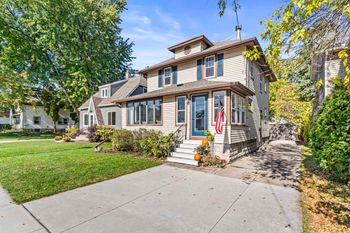


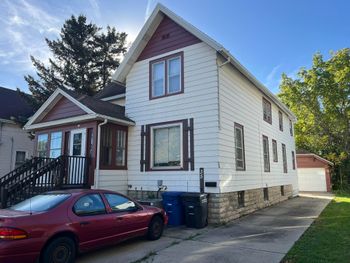
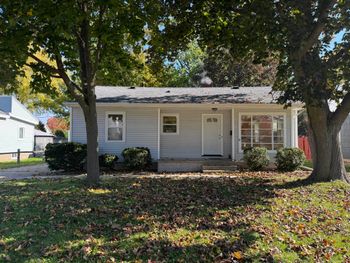


Certain parts of Oshkosh get very busy, but it’s not the whole city. The pressure mainly shows up on the airport access routes and the roads people use to get to and from the grounds. If your daily routine doesn’t intersect those corridors, the week often feels more like “a little extra activity” than a major disruption. The easiest way to know is to drive your normal route once during a weekday morning and see what it looks like in real life.
Not evenly, and not constantly. Some areas closer to the airport or under common flight paths notice it more outdoors during the daytime show windows. A few miles away, it often fades into a distant hum unless you’re listening for it. Inside most homes with windows closed, it’s usually muted rather than disruptive. A simple check is to step outside mid-afternoon and then step back inside—if the sound disappears indoors, the week is typically very manageable.
If you have flexibility, most people prefer not to plan a move, a closing day, or major deliveries during AirVenture week—mostly to keep logistics simple. Traffic can slow down the wrong routes, and some areas closer to the event can feel more crowded than normal. That said, plenty of people live here through the week every year without issue. If you do have to schedule something that week, the main trick is choosing routes and timing that don’t line up with the busiest arrival and exit windows.
Yes—availability tightens and stays tend to become more rigid for that week. If you’re planning to rent while you house-hunt, AirVenture week can make it feel like “nothing is available” when the reality is that it’s a temporary surge. The best approach is to treat an AirVenture stay as a useful visit, but not your baseline impression of Oshkosh. If possible, also visit on a normal week to compare errands, drive times, and neighborhood feel without the event demand.
The areas that feel least affected are usually the ones where your day-to-day drive doesn’t intersect the airport access roads. It’s less about a neighborhood name and more about your route: how you get to work, where you grocery shop, and whether you’re forced onto the event-bound roads at peak times. If you’re comparing places, use the same checks for each address—run your commute once, do a normal errand loop, and ask if the street sees parking spillover. That’s the quickest way to find an “easy weeknight” location, even during late July.
For most homebuyers, AirVenture is more of a “one-week lifestyle variable” than a long-term dealbreaker. It can matter more for homes very close to the airport access routes, where traffic and parking spillover are more noticeable during that window. For many other addresses, it’s simply something you plan around once a year, like any other local event week. The smart move is to evaluate an address based on your real routine—commute, errands, and how the home feels inside—so your real estate decision isn’t driven by a single busy week.