New - 17 Hours Ago


$834,900
Active
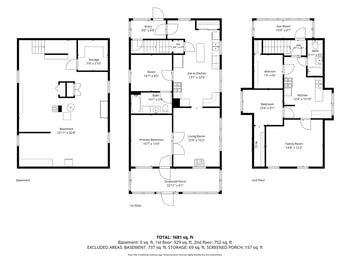
3
Beds
3
Baths
2204
Sqft
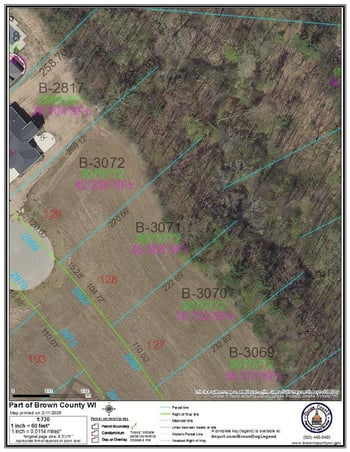
1.07
Acres
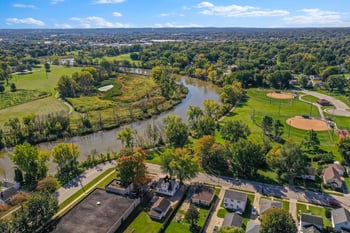
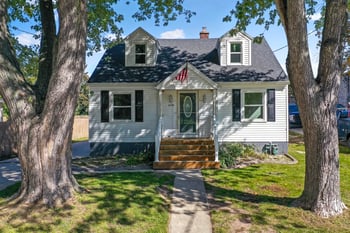
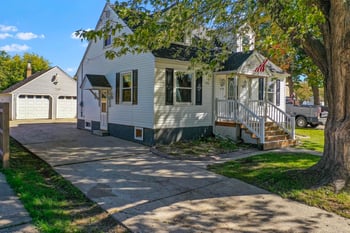
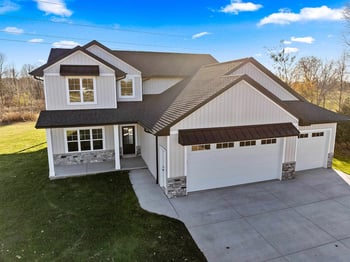
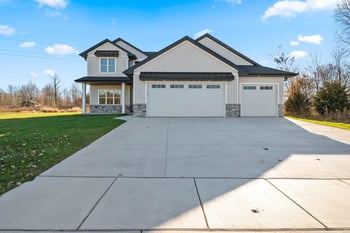
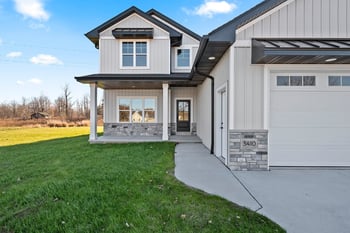
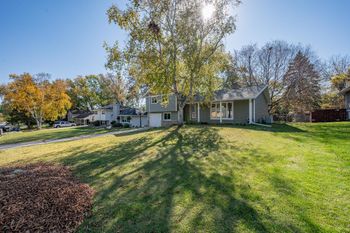
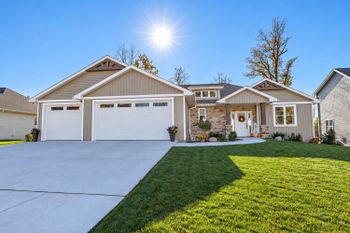
2976 Creekwood Dr, Green Bay, WI 54311-4624
MLS#: RAN50334798



_0003.jpg)
If you’re relocating to Green Bay, “near downtown” can sound like an easy win: coffee nearby, the riverfront close, a quick dinner without a plan. And sometimes it really is that simple. The tricky part is that people use “downtown-adjacent” to describe two very different day-to-day lives—both technically close, but only one feels effortless on a normal weeknight.
You aren’t choosing “downtown.” You’re choosing how downtown will show up in your normal week:
For homebuyers looking at Downtown Green Bay real estate, that difference matters because it changes what kind of home feels like a fit—and what will feel annoying once you’re actually living there. This guide is here to help you separate the versions. Not with hype, not with doom—just the practical stuff that tends to matter once the novelty wears off.
By the end, you should know whether you want a true walk-to-it routine (you’ll actually use downtown weekly) or drive-to-it access (you like the option, but you want predictability when you’re tired and it’s cold).
Downtown Green Bay and the Fox River riverfront can be a real quality-of-life upgrade—CityDeck evenings, festivals, a quick meal that doesn’t require a spreadsheet. But the weeknight experience changes fast as you move block by block. That’s the whole point of this article: you’re not choosing “downtown.” You’re choosing how downtown will show up in your normal week.
Neither version is “right.” The win is picking the one that matches how you’ll live when it’s a random Wednesday, you’re hungry, and you don’t want to negotiate your own driveway situation.
The best argument for living close is simple: you’ll use it. Downtown Green Bay stops being “a place you go” and becomes a habit. A quick coffee. A casual dinner that doesn’t require a plan. An evening walk that turns into your default way to clear your head.
For most relocators, the easiest mental map is this: CityDeck sits along the Fox River in Downtown Green Bay, in the stretch between the downtown bridges (the Walnut Street crossing and the Main Street area). That’s the riverfront zone people picture when they imagine “walkable downtown.” If you’re close enough to reach that zone on foot without it feeling like a decision, you’re more likely to actually use it weekly.
In this version of downtown-adjacent living, the vibe isn’t “party street.” It’s more like: you can step out, take a short walk, and be back home before it feels like an outing. That’s the lifestyle you’re buying when walkability truly works.
Some people don’t want downtown as a daily habit—they want it as an option. That’s a totally normal preference, especially if you know you value predictable parking, calmer nights, and winter logistics that don’t require extra thinking.
The drive-to-it version is still “close.” You can meet friends downtown, walk CityDeck, catch an event, grab dinner, and be home quickly. The difference is what happens when you come home: you want it to feel residential again—quiet enough to unwind, and simple enough that your weeknight doesn’t turn into a small project.
If you’ve lived in bigger cities, this might sound obvious. But Green Bay can feel so accessible at first that it’s easy to underestimate how much parking setup and event spillover can affect your routine—especially once winter gets involved.
Here’s a simple way to get honest with yourself before you fall in love with a listing photo.
If you’re not sure which version you are, that’s normal. A lot of people learn it by experience—spending a couple evenings downtown, parking like you would on a weeknight, and noticing whether you leave thinking “we’d do this all the time” or “this is fun, but not every week.”
Neither answer is better. It just changes what you should prioritize when you evaluate a home: walkability and proximity vs. parking certainty and after-dark calm.
This is the part that decides whether “downtown-adjacent” feels effortless or annoying: where your car lives. In Green Bay, winter is the great simplifier. If parking “just works,” winter is manageable. If parking is a daily negotiation, winter gets old fast.
Two realities to keep in mind:
The most “quietly luxurious” feature near downtown isn’t granite or a fancy light fixture. It’s off-street parking that’s yours—a driveway, a garage, an assigned spot—something you don’t have to renegotiate when the weather shifts or there’s a big event nearby.
This is also where home type matters. Condos and townhome-style setups can make the walk-to-it lifestyle easier if they include a dedicated spot or garage. Single-family homes can be great too, but near downtown you’ll want to look closely at driveway and garage reality so winter doesn’t turn into a nightly puzzle.
The Fox River is part of the downtown draw, but it also shapes daily routing. If your normal week requires crossing the river—work, school runs, the gym, groceries—the “downtown-adjacent” choice becomes partly about predictability: which side you’ll live on, and how often you’ll cross.
It’s not about fear or frustration—just awareness. Downtown bridge patterns and occasional maintenance can change the feel of “quick” depending on the time of day. Before you buy, do one practice run on your likely route at the time you’ll actually use it. You’re not hunting for perfection. You’re checking whether it still feels easy.
Downtown Green Bay has a real calendar—especially in warmer months—and the impact is usually simple: a few evenings where streets feel busier, ramps fill faster, and you notice more “circling for a spot” behavior. It’s not constant, but it’s the kind of pattern you’ll feel if your block is a convenient overflow option.
Downtown activity matters here for one reason: it changes parking and street feel within a few blocks. If you’re choosing between walk-to-it and drive-to-it living, this is the variable that quietly decides whether weeknights feel easy or high-maintenance.
If you know you like calm after dark, pay attention to two things:
The goal isn’t to avoid fun. It’s to pick a pocket where the fun feels optional instead of unavoidable.
This is one of those preferences people don’t always name until they’ve lived it. Some people sleep better with a little ambient activity. Others don’t. The right fit is the one that matches you.
When you’re evaluating a home near downtown, picture the same moment you’ll repeat hundreds of times: pulling in at night, unloading, and deciding whether you feel settled or slightly on alert.
A quick way to make it concrete: check street lighting, sidewalk continuity, and whether the block feels like it’s winding down or still cycling through visitors. You’re not judging it—just deciding if it matches the kind of quiet you want when you get home.
These aren’t deal-breakers by default. They’re just the signals that tell you whether you’re buying into a lifestyle you’ll enjoy—especially once the first-month excitement fades and your routine becomes the real decision-maker.
A lot of guides talk about “walkability” like it’s a score or a badge. In real life, it’s simpler: would you actually do small, normal things on foot—often enough that it becomes your default?
Near downtown Green Bay, the walk-to-it lifestyle usually looks like:
One winter-specific truth: a spot can look walkable on a map and still feel like a drive-to-it place once the wind comes off the river and the sidewalks narrow down to whatever’s been cleared first. If you’re buying for a walk-to-it routine, do one test walk when it’s cold out (or at least on a gray, windy day) and see if it still feels like something you’d actually do after dinner.
If that sounds like you, prioritize proximity that supports the habit. If it doesn’t, don’t force it—drive-to-it access can still be the perfect fit, and it often feels easier in winter.
Online research is helpful, but downtown-adjacent living is one of those things you feel in real time. Here are a few low-effort checks that give you a clearer answer than any description ever will.
If you only verify a few things by address, make them these: where you will park on a normal weeknight, what you’ll do on a snow-emergency night, and whether you can come and go without relying on street parking as your default plan.
If you’re new to Wisconsin winters, a “snow emergency” is simply when street parking rules tighten so plows can get through quickly—one of those practical details that matters a lot if a home relies on street parking.
Even if this is mainly a lifestyle decision, most homebuyers end up verifying the same four things before they feel confident: school options, commute reality, day-to-day safety comfort, and whether the home will still feel like a good fit a few years from now.
If you want a practical next step, these are a few starting points from our Green Bay neighborhood pages—picked specifically to match the two downtown-adjacent lifestyles in this guide. It’s not a ranking. It’s a way to start browsing with the right expectations.
Think of these as starting points for browsing Green Bay homes for sale with the right expectations, not a “best neighborhood” list.
Once you know which version you’re after—walk-to-it weekly or drive-to-it when you feel like it—searching gets a lot easier. These links are a simple way to browse without locking yourself into one pocket too early.
Downtown Green Bay can be a great fit—you just want the version that matches how you’ll actually live. If you’d like, start with the searches above and pay attention to the two “make it easy” factors that don’t show up in listing photos: parking that works in winter, and a location that supports the routine you truly want.